

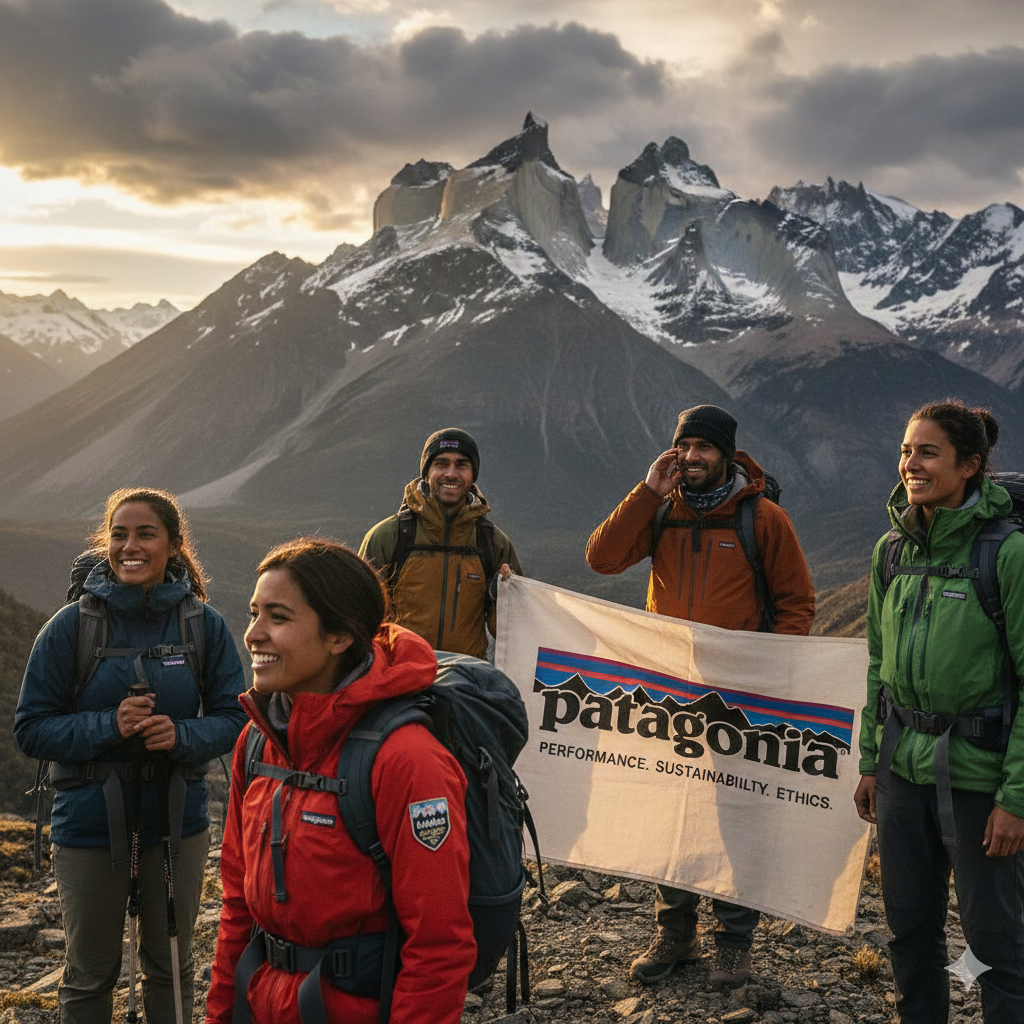
What Is the Patagonia Brand?
Patagonia is an outdoor apparel and gear company best known for its commitment to sustainability, ethical business practices, and environmental activism. The brand produces high-quality clothing and equipment designed for outdoor activities such as hiking, climbing, skiing, surfing, and trail running.
Unlike many fashion and outdoor brands, Patagonia does not define success solely by growth or profit. Instead, it measures success by product durability, environmental responsibility, and positive impact on the planet. This philosophy has positioned Patagonia as one of the most trusted and respected brands in the global outdoor industry.
It operates at the intersection of performance, sustainability, and ethics, proving that a business can thrive while actively working to protect the environment.
Patagonia Brand History
The Early Beginnings
Patagonia’s story began in 1973, rooted in rock climbing culture. The founder started as a craftsman making climbing hardware, not clothing. Early products were designed to reduce environmental damage caused by traditional climbing gear, establishing a foundation for Patagonia’s future sustainability focus.
As the company evolved, it expanded into outdoor apparel, applying the same philosophy of durability, functionality, and environmental responsibility to clothing design.
Growth with a Purpose
Rather than chasing rapid expansion, Patagonia grew deliberately. The brand focused on creating products that last longer, perform better, and reduce waste. Over time, this approach resonated with consumers who valued quality and responsibility over fast fashion trends.
Patagonia’s brand history is marked by moments where it chose values over short-term profit, reinforcing trust and authenticity.
A Turning Point in Ethical Business
A major shift occurred when it publicly acknowledged that all manufacturing has environmental costs. Instead of hiding this reality, the company embraced transparency and committed to continuous improvement. This honesty strengthened its reputation and positioned Patagonia as a leader in ethical fashion.
Why Is Patagonia Famous?
It is famous for several interconnected reasons that go beyond clothing.
Commitment to Sustainability
Its sustainability efforts are among the most advanced in the apparel industry. The company consistently invests in:
- Recycled and organic materials
- Reduced water and chemical use
- Carbon footprint reduction
- Long-term environmental initiatives
High-Performance Outdoor Apparel
Patagonia clothing is designed for serious outdoor use. Athletes, climbers, and adventurers trust the brand because its products perform reliably in extreme conditions while remaining comfortable and durable.
Bold Corporate Activism
It has taken public stances on environmental protection, land conservation, and climate change. This activism has made the brand famous not only as an outdoor company, but as a voice for environmental responsibility.
Authentic Brand Identity
Consumers increasingly seek brands with genuine values. Patagonia’s actions consistently align with its messaging, reinforcing authenticity and long-term trust.
Patagonia Clothing and Outdoor Gear
Product Categories
Patagonia outdoor gear and apparel cover a wide range of activities:
- Jackets and outerwear for cold and wet conditions
- Base layers and mid-layers for temperature regulation
- Hiking, climbing, and trail running apparel
- Surf and water-sport clothing
- Backpacks and accessories
Design Philosophy
Every Patagonia product follows a clear design philosophy:
- Function comes first
- Durability over disposability
- Minimal environmental impact
- Repairability whenever possible
This approach reduces the need for frequent replacement, directly addressing the problem of clothing waste.
Materials Used in Patagonia Clothing
It is known for pioneering the use of sustainable materials in outdoor apparel.
Common materials include:
- Recycled polyester from plastic bottles
- Organic cotton grown without synthetic pesticides
- Regenerative natural fibers
- Responsible wool and down
By rethinking material sourcing, it reduces reliance on virgin resources and lowers environmental harm.
Patagonia Sustainability Explained Step by Step
Step 1: Acknowledging Environmental Impact
It openly admits that making products harms the environment. This honesty sets the foundation for continuous improvement rather than greenwashing.
Step 2: Choosing Better Materials
The brand prioritizes recycled, organic, and renewable materials whenever possible, reducing pollution and resource depletion.
Step 3: Ethical Manufacturing
It works closely with suppliers to improve labor conditions, ensure fair wages, and maintain safe working environments.
Step 4: Product Longevity
Durable design reduces consumption. It encourages customers to repair, reuse, and resell items instead of buying new ones.
Step 5: Giving Back
A significant portion of profits is directed toward environmental causes, supporting grassroots organizations and conservation efforts.
Is it sustainable?
It is widely considered one of the most sustainable apparel brands in the world, though it does not claim to be perfect.
Strengths of Patagonia Sustainability
- Industry-leading use of recycled materials
- Strong supply chain transparency
- Fair labor standards
- Long product lifespan
Honest Limitations
Patagonia acknowledges ongoing challenges such as:
- Emissions from global manufacturing
- Limited availability of fully sustainable materials
- Trade-offs between performance and environmental impact
This transparency strengthens Patagonia’s credibility and distinguishes it from brands that overstate their sustainability claims.
Patagonia Ethical Fashion Model
What Is Ethical Fashion?
Ethical fashion focuses on minimizing harm to people, animals, and the environment throughout the entire production process.
How it Applies Ethical Fashion
Patagonia’s ethical fashion practices include:
- Fair labor conditions and worker protection
- Responsible sourcing of animal-based materials
- Environmental responsibility at every stage
- Consumer education on mindful consumption
It treats ethics as a core business strategy rather than a marketing tool.
Patagonia vs Other Outdoor Brands
Comparison Table: Patagonia vs Traditional Outdoor Brands
| Feature | Patagonia | Typical Outdoor Brand |
|---|---|---|
| Sustainability focus | Core mission | Secondary priority |
| Material sourcing | Recycled and organic | Mostly conventional |
| Product lifespan | Designed to last | Trend-driven cycles |
| Repair programs | Actively encouraged | Rare or limited |
| Corporate activism | Strong and public | Minimal or neutral |
| Transparency | High | Moderate to low |
Key Takeaway from the Comparison
Patagonia stands out because sustainability and ethics are embedded in its business model, not added as optional initiatives.
Patagonia’s Business Model for Entrepreneurs
Purpose-Driven Strategy
Patagonia demonstrates that businesses can lead with values without sacrificing success. Profit is treated as a tool to support the mission, not the mission itself.
Lessons for Business Students
Key takeaways include:
- Long-term thinking builds stronger brands
- Transparency increases consumer trust
- Sustainability can drive innovation
- Ethical choices can differentiate a company
Risks and Rewards
It accepts short-term risks, such as higher costs, in exchange for long-term loyalty and brand strength.
Patagonia Brand Trust and Consumer Loyalty
Why Customers Trust Patagonia
Trust is built through consistent action:
- Honest communication
- Product quality
- Environmental accountability
- Ethical consistency
Community Engagement
It attracts customers who share its values, creating a loyal community rather than a transactional customer base.
Patagonia and the Future of Outdoor Apparel
It continues to push the outdoor industry toward more responsible practices. Its influence extends beyond its own products, encouraging competitors to improve sustainability standards.
Future priorities include:
- Further reducing carbon emissions
- Expanding circular economy initiatives
- Innovating sustainable materials
- Educating consumers on responsible consumption
Frequently Asked Questions About Patagonia
What is the Patagonia brand known for?
It is known for sustainable outdoor apparel, ethical business practices, and environmental activism.
Why is Patagonia famous worldwide?
The brand is famous for combining high-performance outdoor gear with strong environmental and ethical values.
Is it really sustainable?
It is considered one of the most sustainable apparel brands, though it openly acknowledges areas for improvement.
What makes Patagonia different from other outdoor brands?
Patagonia prioritizes sustainability, transparency, and product longevity as core business principles.m
Is it considered ethical fashion?
Yes, Patagonia is widely recognized as a leader in ethical fashion due to its labor practices, material sourcing, and environmental responsibility.
Who should buy Patagonia clothing?
Patagonia clothing is ideal for outdoor enthusiasts, environmentally conscious consumers, and anyone seeking durable, responsibly made apparel.
Conclusion
The Patagonia brand represents a powerful example of how sustainability, outdoor performance, and ethical business can coexist. From its early beginnings to its current role as an industry leader, Patagonia has consistently challenged conventional business norms.
By prioritizing environmental responsibility, durable design, and ethical fashion, Patagonia has built a brand rooted in trust rather than trends. For beginners exploring outdoor brands, environmentally conscious consumers seeking responsible choices, and business students studying purpose-driven companies, Patagonia stands as a compelling and influential case study.
