

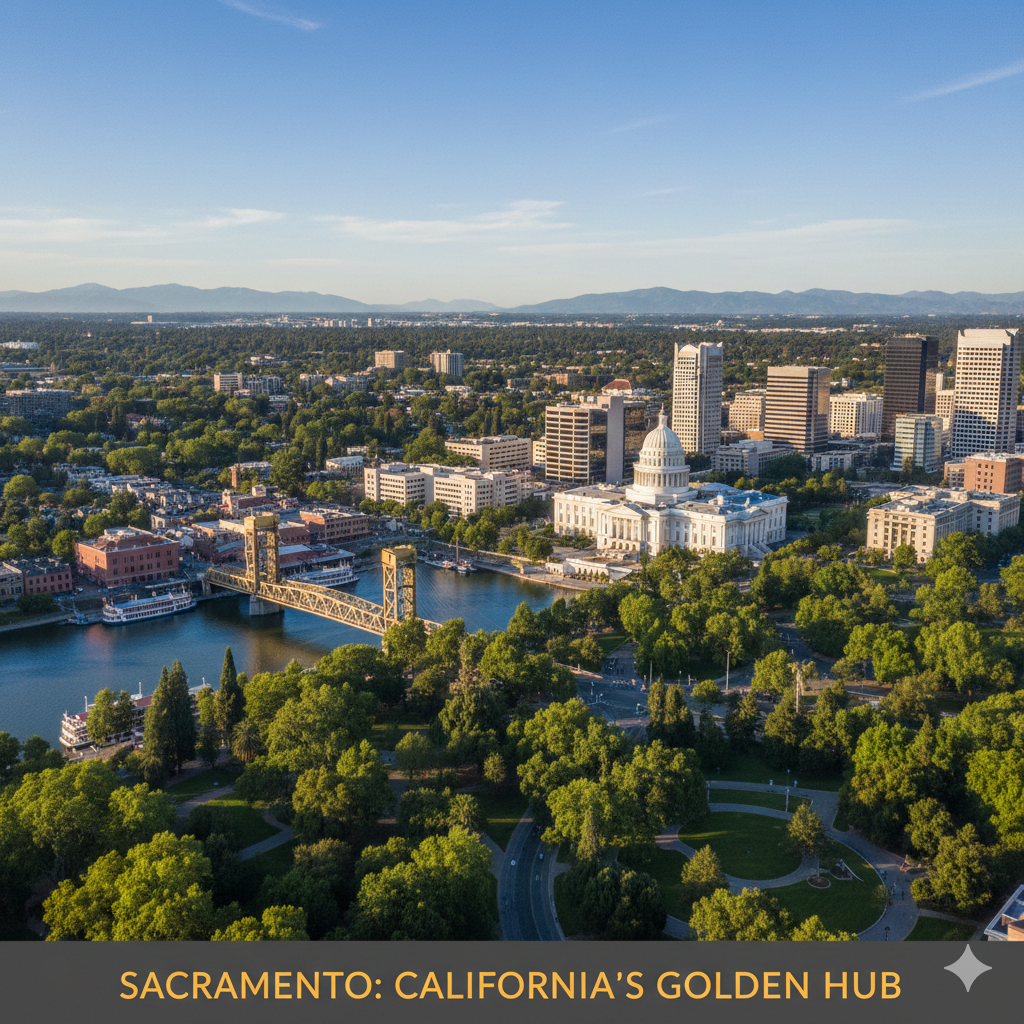
Sacramento, California’s capital city, offers a unique blend of history, modern urban living, cultural diversity, and a steadily growing economy. Known for its government importance as well as its relaxed lifestyle, the city attracts tourists, students, professionals, and families alike.
This detailed city guide is designed to provide clear and practical information for people who want to visit, move, study, or simply learn more about this important California destination.
Introduction to California’s Capital City
Sacramento: Located in Northern California, this city serves as the political and administrative center of the state. While it plays a major role in governance, it also maintains a strong identity beyond politics, with a focus on community life, outdoor spaces, and local culture.
Often referred to as the “City of Trees,” the area is known for its green neighborhoods, riverfront scenery, and well-maintained parks. Its balanced environment makes it appealing to both short-term visitors and long-term residents.
Historical Background and Cultural Roots
Early Development and Gold Rush Influence
Sacramento city experienced major growth during the Gold Rush era of the mid-1800s. Its strategic location helped it become a center for trade, transportation, and settlement during one of California’s most important historical periods.
Becoming the State Capital
After being designated as the capital, the city developed a strong infrastructure centered around government institutions, legal services, and public administration. This foundation continues to shape its economy today.
Cultural Diversity
A wide range of communities contribute to the city’s character, including:
- Hispanic communities
- Asian populations
- African American residents
- European descendants
This diversity is reflected in food, festivals, arts, and everyday social life.
Geography and Climate Overview
Strategic Location
- Situated in Northern California
- Within driving distance of San Francisco and Napa Valley
- Accessible routes to Lake Tahoe and surrounding natural areas
This location allows residents and visitors to enjoy both urban amenities and outdoor destinations.
Climate Characteristics
- Summers are warm and dry
- Winters are mild with limited rainfall
- Snow is extremely rare
The climate supports outdoor activities throughout most of the year.
Things to Do in Sacramento – Major Attractions
Historic and Cultural Sites
- Preserved historic districts with museums
- Government buildings and public gardens
- Heritage architecture that reflects early California history
Outdoor and Nature Activities
- Riverfront walking and cycling paths
- Large public parks and green spaces
- Picnic areas and scenic viewpoints
Food and Entertainment
- Farm-to-fork dining culture
- Local cafes and restaurants
- Live music venues and cultural events
Family-Friendly Experiences
- Zoos and educational centers
- Science and discovery museums
- Seasonal fairs and community festivals
Sacramento Tourism – What Visitors Can Expect
Ideal for Short and Extended Visits
The city offers a relaxed pace, making it suitable for weekend trips as well as longer stays.
Events and Festivals
- Food and cultural festivals
- Art exhibitions and community events
- Music and outdoor gatherings
Local Markets
Farmers markets are a highlight, offering fresh produce and locally made goods, contributing to the city’s strong local economy.
Living in Sacramento – Lifestyle and Daily Life
Cost of Living Overview
Compared to other major California cities, the cost of living is relatively balanced:
- Housing costs are more manageable
- Utilities are reasonably priced
- Public services are accessible
This balance attracts professionals and families looking for stability.
Neighborhood Options
- Downtown areas with urban lifestyles
- Suburban neighborhoods suitable for families
- Riverside communities with scenic views
Transportation System
- Public buses and light rail services
- Bike-friendly roads in many areas
- Car ownership is common for daily commuting
Education System and Student Life
Colleges and Universities
The city has a strong network of public and private educational institutions offering programs in education, healthcare, technology, and public service.
Student Lifestyle
- Affordable housing options
- Internship and part-time work opportunities
- Libraries and study-friendly environments
These factors make the city an increasingly popular choice for students.
Economy and Employment Opportunities
Major Employment Sectors
- Government and public administration
- Healthcare and medical services
- Education and research
- Technology support and professional services
Small Business Environment
Local entrepreneurship is encouraged, especially in food services, retail, and creative industries.
Career Growth Potential
The job market is less competitive than larger metropolitan areas, offering a better work-life balance for professionals.
Healthcare and Public Services
Medical Facilities
- Modern hospitals and clinics
- Specialized healthcare services
- Reliable emergency response systems
Community Safety and Services
- Active neighborhood associations
- Community-based programs
- Public safety initiatives
Housing Market Overview
Rental Housing
- Apartments and condominiums
- Townhouses and shared housing
- Options for students and families
Home Ownership
First-time buyers often find better opportunities here compared to coastal California cities.
Daily Life and Local Culture
Pace of Life
The lifestyle offers a balance between professional activity and personal time, depending on the neighborhood.
Food Culture
- Emphasis on fresh, local ingredients
- Wide variety of international cuisines
- Strong café and casual dining culture
Social Environment
Residents are generally friendly, and community involvement is a key part of daily life.
Pros and Cons – An Honest Perspective
Advantages
- Balanced cost of living
- Green and open spaces
- Cultural diversity
- Steady employment opportunities
Challenges
- Hot summers
- Limited nightlife compared to larger cities
- Public transportation coverage varies by area
Frequently Asked Questions
Is the city worth visiting for tourists?
Yes, it offers a mix of history, culture, food, and outdoor activities suitable for various travel styles.
Is living here affordable compared to other California cities?
It is generally more affordable than major coastal cities while still offering quality services.
Are there good opportunities for students?
Yes, educational institutions, internships, and student-friendly housing options are widely available.
What is the overall climate like?
The climate is mostly mild and dry, with warm summers and gentle winters.
News-Style Short Version
California’s capital city continues to gain attention for its balanced lifestyle, growing tourism sector, and relatively affordable living conditions. With strong public services, cultural diversity, and a stable economy, it is becoming an increasingly attractive destination for visitors and new residents across the state.
Strong Conclusion
Whether you are planning a visit, considering relocation, or researching California cities, this capital offers a well-rounded experience. Its combination of history, modern infrastructure, green spaces, and community-focused living makes it a practical and rewarding choice for many different lifestyles.
