

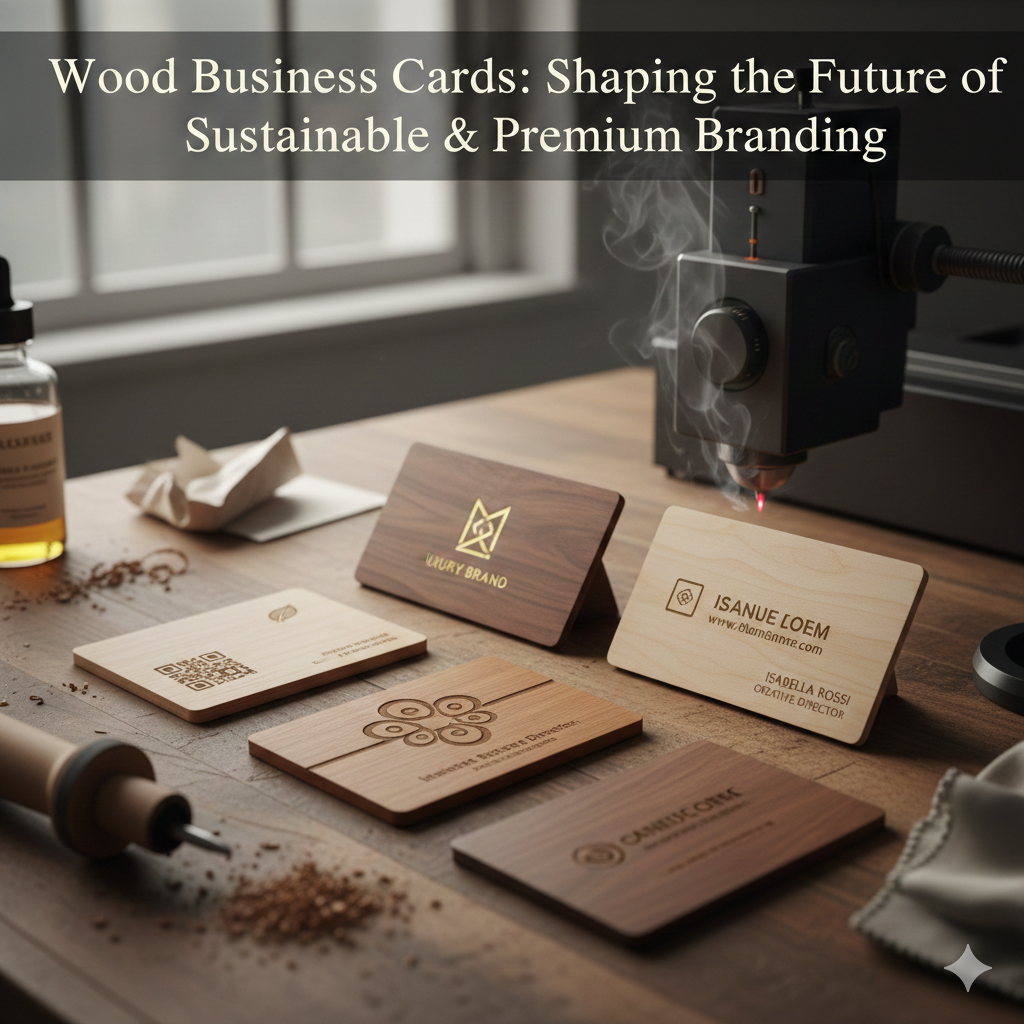
Introduction
Branding is no longer just about logos, colors, or digital presence. Today, it’s also about how you present yourself in the real world. And in a world flooded with paper and plastic, wood business cards have quietly stepped into the spotlight—offering a refreshing combination of sustainability, craftsmanship, and luxury.
They’re not only unique; they tell a story the moment someone holds them.
Wood feels warm. It feels intentional. It feels premium.
And in business, the things that feel premium get remembered.
That’s why more entrepreneurs, small businesses, agencies, and even tech founders are turning to wood business cards as part of their identity. Not just because they look good—but because they represent what modern brands stand for: sustainability, creativity, and authenticity.
Why Wood Business Cards Stand Out
Most people don’t remember regular paper cards. They get thrown away, lost, or forgotten.
But a wood business card hits differently.
Here’s why:
They Make an Instant Impression
People expect a typical card. But when you hand them a card made from bamboo, cherry, walnut, or maple, they pause. They look closely. They flip it, feel it, and comment on it.
That single moment already separates you from 99% of competitors.
They Reflect Sustainability
Customers love brands that care about the environment. Wood cards—especially bamboo or reclaimed wood—show responsibility and commitment to eco-friendly values.
They Feel Luxurious
No matter the industry, people associate quality materials with quality service. Wood sends the message:
“I invest in details. I invest in relationships.”
They Last Longer
Wood doesn’t wrinkle, tear, or fold like paper. These cards survive wallets, bags, and even years on a desk.
A card that lasts longer = a brand that stays remembered longer.
Types of Wood Used for Business Cards
Different woods create different moods, textures, and brand messages.
Here’s a simple breakdown:
| Wood Type | Look & Feel | Best For |
|---|---|---|
| Bamboo | Light, modern, eco-friendly | Startups, tech firms, sustainable brands |
| Walnut | Dark, rich, premium | Luxury brands, consultants, architects |
| Cherry Wood | Warm, elegant | Creatives, designers, boutique businesses |
| Maple | Soft, minimal, smooth | Corporate professionals, clean modern brands |
Each material adds its own personality. You’re not just giving a card—you’re handing over a piece of identity.
How Wood Business Cards Shape Brand Perception
Your business card is often the first physical touchpoint someone has with your brand. Wood helps you create:
A Premium Brand Experience
High-quality materials signal a high-quality service. Even if your business is new, wood cards make your brand feel established and polished.
Authenticity & Craftsmanship
Wood communicates that your brand values detail and authenticity. It gives a handcrafted feel—something digital branding can’t replicate.
Eco-Conscious Identity
Consumers reward sustainable brands. Choosing wood cards shows you think beyond profit and consider the planet too.
Modern but Timeless Identity
Wood has been used for centuries, yet it still feels modern when combined with laser engraving and minimal design.
It’s a perfect balance between nature and technology—which is exactly what modern branding is all about.
How Wood Business Cards Are Made
People love knowing how things are created — it builds trust.
Here’s the simplified process:
Sourcing the Wood
Manufacturers use eco-friendly wood, reclaimed sheets, or sustainable sources like bamboo.
Cutting and Shaping
Thin sheets are precisely cut into card dimensions to maintain both beauty and durability.
Laser Engraving
Details like names, logos, and contact information are etched onto the wood.
The engraving gives a unique, tactile texture that ink cannot replicate.
Finishing and Polishing
The card is smoothed, sealed, and polished to ensure long-lasting quality.
Optional Add-Ons
- QR codes
- NFC chips
- Gold fill engraving
- Edge customization
This is where creativity truly comes alive.
How to Design a Wood Business Card
Wood offers a natural canvas—but good design matters.
Here’s how to get the best results:
Keep It Simple
Wood already carries visual texture. Minimal designs look cleaner and more professional.
Use Bold Logos
Engraving shines with solid shapes and clean lines.
Avoid Too Much Text
Include only the essentials:
- Name
- Role
- Phone
- Website
- QR code (recommended)
Choose the Right Wood Finish
Dark woods look elegant; light woods look modern.
Pick what matches your brand personality.
Are Wood Business Cards Worth the Investment?
Absolutely — and here’s why:
| Benefit | Impact |
|---|---|
| High memorability | People never forget the brand that gave them a wooden card |
| Premium perception | Clients associate your brand with quality |
| Eco-friendly | Appeal to modern conscious consumers |
| Long lifespan | Cards last for years, not days |
| Higher ROI | One wood card = more impact than 10 paper cards |
They aren’t an expense—they’re a branding investment.
Industries That Benefit the Most
Wood business cards work across industries, but they’re especially perfect for:
- Creative agencies
- Architects
- Photographers
- Tech founders
- Consultants
- Luxury brands
- Handmade & craft businesses
- Real estate agents
- Furniture or interior designers
- Sustainability-focused companies
If your brand cares about style, impression, or environmental responsibility, wood is a great fit.
How to Use Wood Business Cards Strategically
It’s not just what you hand out — it’s how and when.
Give Them During High-Value Meetings
Instead of distributing them to everyone, reserve them for serious prospects.
Pair Them With a Story
Explain why you chose wood:
“Sustainability is part of our brand, so even our cards reflect that.”
This adds emotional impact.
Use QR Codes for Modern Branding
A quick scan can open:
- Portfolio
- Website
- Booking form
- Business profile
This blends tradition with technology.
Include Them in Premium Packaging
If you sell products, add your wood card inside—it becomes a keepsake.
The Future of Wood Business Cards
As branding trends shift toward eco-friendly and impactful experiences, wood business cards will only grow in popularity.
Future innovations may include:
- NFC embedded wood cards
- Smart chip integrations
- Laser-cut detailing
- Hybrid materials (wood + resin)
- Enhanced durability coatings
The world is moving toward minimalistic, sustainable luxury — exactly what wood cards represent.
FAQs
Are wood business cards expensive?
They cost more than paper cards but deliver significantly higher ROI through memorability and brand impact.
Do wood cards break easily?
Not at all. Quality wood cards are thin but durable and last years without bending or tearing.
Can wood cards support QR or NFC?
Yes, both can be added easily due to flat surface stability.
Are they eco-friendly?
Bamboo or reclaimed wood cards are highly sustainable compared to traditional paper cards.
Can I print colors on wood?
Yes, but engraving looks more premium and lasts longer.
Are wood cards suitable for every business?
Any brand focused on luxury, sustainability, creativity, or premium presentation benefits greatly from wood business cards.
Conclusion
Wood business cards aren’t just a design choice—they’re a smarter way to express your brand’s identity. In a world where most cards feel the same, wood instantly sets you apart. It shows quality, sustainability, and attention to detail without saying a word. And when someone remembers the feel of your card, they remember you. Simple as that.
