

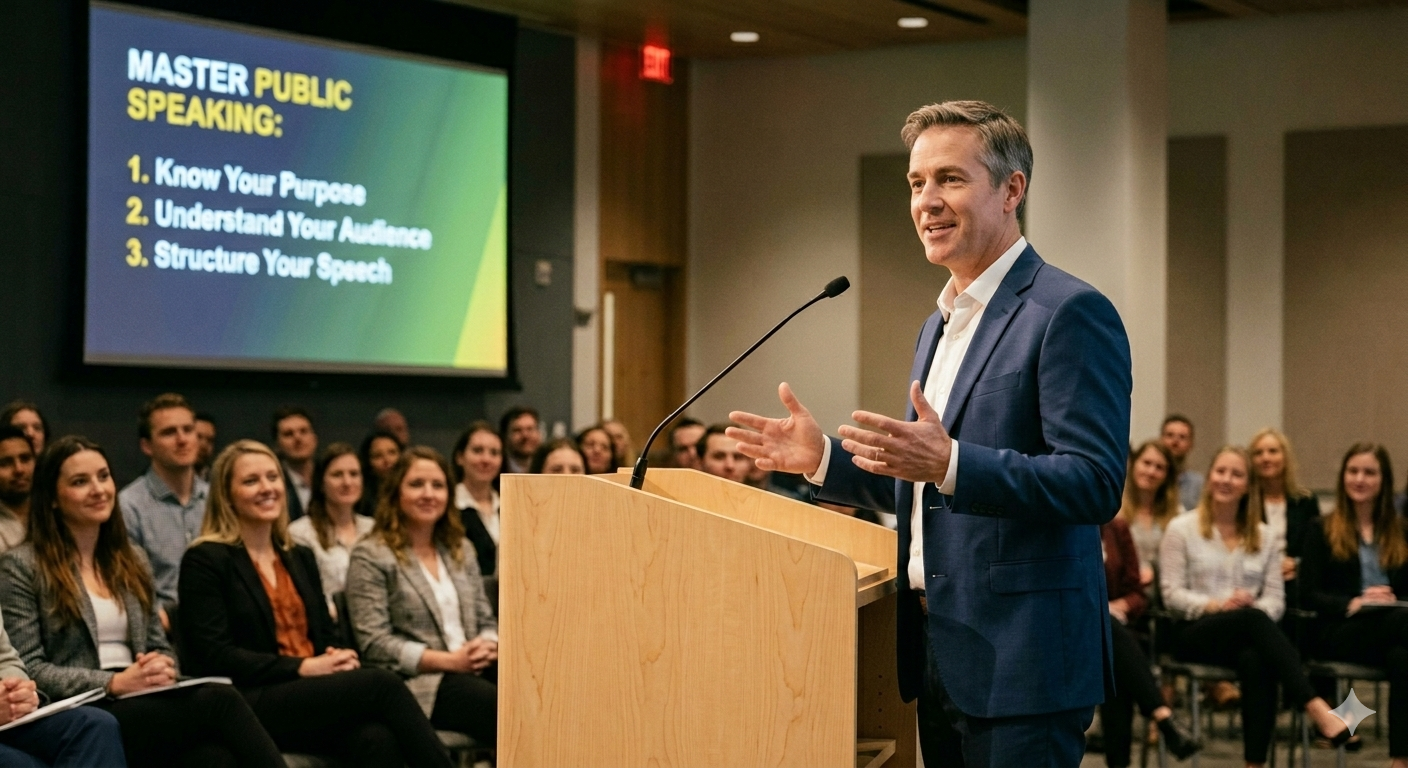
Public Speaking Tips
Public speaking is one of the most valuable skills anyone can develop. Whether you are a student presenting in class, a professional leading meetings, a business owner pitching ideas, or someone simply wanting to communicate confidently, strong speaking abilities can transform your personal and professional life.
Many people believe public speaking is a natural talent reserved for confident personalities. In reality, it is a learned skill. With the right techniques, practice methods, and mindset shifts, anyone can become a confident and engaging speaker.
This comprehensive guide explores practical public speaking tips, proven strategies, and step-by-step methods to help you improve communication, overcome fear, and deliver powerful presentations.
Why Public Speaking Skills Matter
Public speaking is not just about standing on a stage. It affects everyday communication, leadership, career growth, and personal confidence.
Benefits of Strong Public Speaking Skills
- Builds self-confidence
- Improves professional opportunities
- Enhances leadership presence
- Strengthens persuasion abilities
- Improves clarity of thought
- Helps express ideas effectively
In modern workplaces and educational environments, communication skills often matter as much as technical expertise.
Understanding the Fear of Public Speaking
One of the biggest challenges people face is anxiety. The fear of public speaking is extremely common and affects beginners and experienced professionals alike.
Why People Fear Public Speaking
Common reasons include:
- Fear of judgment
- Lack of preparation
- Negative past experiences
- Perfectionism
- Fear of forgetting content
- Social anxiety
Your brain interprets public attention as a threat, triggering stress responses such as increased heartbeat and nervousness.
Signs of Public Speaking Anxiety
- Sweaty palms
- Shaking voice
- Rapid speech
- Forgetting points
- Avoiding eye contact
- Mental blankness
The key insight is this: fear decreases with structured preparation and repeated exposure.
How to Improve Public Speaking: Step-by-Step Framework
Step 1: Know Your Purpose
Before preparing slides or writing a speech, clarify your goal.
Ask yourself:
- What do I want the audience to learn?
- What action should they take?
- What feeling should they leave with?
Clear purpose creates confident delivery.
Example:
Instead of “talk about marketing,” aim for “teach three simple marketing strategies small businesses can apply immediately.”
Step 2: Understand Your Audience
Effective speakers focus on listeners, not themselves.
Consider:
- Audience knowledge level
- Interests and expectations
- Problems they want solved
- Cultural or professional background
When content matches audience needs, confidence naturally increases.
Step 3: Structure Your Speech Clearly
A strong structure reduces anxiety and improves understanding.
Simple Speaking Structure
- Opening
- Main Points
- Examples
- Summary
- Call to Action
Example Structure
Opening: Ask a question or share a relatable story
Main Point 1: Explain concept
Main Point 2: Provide example
Main Point 3: Give actionable advice
Conclusion: Summarize key message
Powerful Opening Techniques
The first 30 seconds determine audience attention.
Effective Opening Methods
- Ask a thought-provoking question
- Share a short story
- Present a surprising fact
- Describe a relatable problem
- Use a brief personal experience
Avoid starting with apologies or long introductions.
Confident Speaking Techniques That Actually Work
Confidence is not about eliminating nervousness; it is about managing it effectively.
1. Control Your Breathing
Slow breathing signals calmness to your brain.
Technique:
- Inhale for 4 seconds
- Hold for 4 seconds
- Exhale for 6 seconds
Repeat before speaking.
2. Speak Slower Than Normal
Nervous speakers talk too fast.
Practice:
- Pause after key points
- Allow silence for impact
- Emphasize important words
Pauses make you appear confident and thoughtful.
3. Use Strong Body Language
Nonverbal communication influences audience perception.
Good body language includes:
- Standing upright
- Relaxed shoulders
- Natural hand gestures
- Steady eye contact
- Controlled movement
Avoid pacing excessively or crossing arms.
4. Focus on Message, Not Yourself
Shift attention from self-conscious thoughts to helping the audience learn.
Ask:
“How can I help them understand better?”
This mindset reduces anxiety instantly.
Presentation Skills Tips for Engaging Delivery
Use the Rule of Three
People remember information better in groups of three.
Example:
“Preparation, Practice, and Presence.”
Tell Stories
Stories improve retention and emotional connection.
A simple storytelling structure:
Situation → Challenge → Action → Result → Lesson
Use Examples and Analogies
Complex ideas become easier when compared to familiar situations.
Example:
Explaining teamwork by comparing it to a sports team.
Comparison Table: Weak vs Strong Public Speaking Habits
| Weak Habit | Strong Speaking Habit |
|---|---|
| Reading slides | Speaking naturally |
| Talking fast | Strategic pauses |
| Avoiding eye contact | Engaging audience |
| Overloading information | Clear key points |
| Memorizing word-for-word | Understanding concepts |
How to Overcome Fear of Public Speaking
Gradual Exposure Method
Start small and increase difficulty:
- Practice alone
- Speak in front of mirror
- Record yourself
- Present to friends
- Speak in small groups
- Deliver formal presentations
Confidence grows through repetition.
Reframe Nervousness as Excitement
Physical symptoms of fear and excitement are similar.
Instead of thinking:
“I am nervous.”
Tell yourself:
“I am excited to share this.”
This psychological shift improves performance.
Prepare for Mistakes
Even experienced speakers make errors.
If you forget something:
- Pause calmly
- Take a breath
- Continue naturally
Audiences rarely notice small mistakes.
Practical Practice Methods
Mirror Practice
Helps improve expressions and posture.
Recording Yourself
Identify:
- Filler words
- Speaking speed
- Tone variation
Practice Out Loud
Silent rehearsal is ineffective. Speaking aloud builds muscle memory.
Voice Control and Vocal Variety
Your voice carries emotional impact.
Elements of Strong Vocal Delivery
- Volume variation
- Tone changes
- Strategic pauses
- Clear pronunciation
- Emphasis on key phrases
Monotone speaking reduces engagement.
Using Visual Aids Effectively
Slides should support your message, not replace it.
Good Slide Practices
- Minimal text
- One idea per slide
- Clear visuals
- Large readable fonts
Avoid reading directly from slides.
Audience Engagement Techniques
Engaged audiences remember more.
Ways to Engage Listeners
- Ask questions
- Encourage participation
- Use humor appropriately
- Share relatable experiences
- Invite reflection
Interaction builds connection.
Public Speaking for Different Situations
For Students
- Practice presentations early
- Use simple language
- Focus on clarity over complexity
Professionals
- Use data carefully
- Be concise
- Respect time limits
Business Owners
- Focus on value and solutions
- Use persuasive storytelling
- Highlight outcomes and benefits
Common Public Speaking Mistakes to Avoid
- Overloading information
- Lack of preparation
- Memorizing scripts
- Ignoring audience feedback
- Speaking without clear structure
- Ending abruptly without summary
Building Long-Term Public Speaking Skills
Daily Habits That Help
- Read aloud daily
- Practice explaining ideas simply
- Join discussions
- Watch and analyze strong speakers
- Record short speaking exercises
Consistency matters more than talent.
Actionable Public Speaking Tips Checklist
Before Speaking:
- Clarify purpose
- Understand audience
- Practice aloud
- Prepare opening and closing
During Speaking:
- Maintain eye contact
- Speak slowly
- Use pauses
- Smile naturally
After Speaking:
- Reflect on performance
- Note improvements
- Seek feedback
Advanced Confident Speaking Techniques
Power Pauses
Pause before important statements to create authority.
Message Framing
State benefits clearly:
Instead of:
“This is a new system.”
Say:
“This system saves you time and reduces errors.”
Emotional Connection
People remember feelings more than facts.
Use:
- personal insights
- relatable struggles
- meaningful outcomes
FAQs About Public Speaking
What are the best public speaking tips for beginners?
Start with clear structure, practice aloud, focus on audience needs, and speak slowly. Preparation and repetition build confidence faster than natural talent.
How can I improve public speaking quickly?
Practice daily speaking exercises, record yourself, simplify your message, and present frequently in small settings.
How do I overcome fear of public speaking?
Use gradual exposure, breathing techniques, and preparation. Reframing nervousness as excitement also helps reduce anxiety.
How can I speak confidently in public?
Maintain strong posture, make eye contact, pause intentionally, and focus on delivering value rather than seeking perfection.
How long does it take to improve public speaking skills?
Noticeable improvement can occur within weeks of consistent practice, while mastery develops over months of regular speaking experience.
Strong Conclusion
Public speaking is not a talent reserved for a few confident individuals. It is a skill built through understanding, preparation, and more consistent practice. Every confident speaker you see today once struggled with nervousness, uncertainty, and self-doubt.
By applying these public speaking tips, structuring your message clearly, practicing regularly, and focusing on helping your audience rather than impressing them, you can transform the way you communicate.
Confidence grows through action. Each time you speak, you strengthen your ability to express ideas, influence others, and present yourself with clarity and authority.
Start small, practice consistently, and embrace every speaking opportunity as a step toward becoming a confident and impactful communicator.
